
Interactive experiences
Custom interactive installations
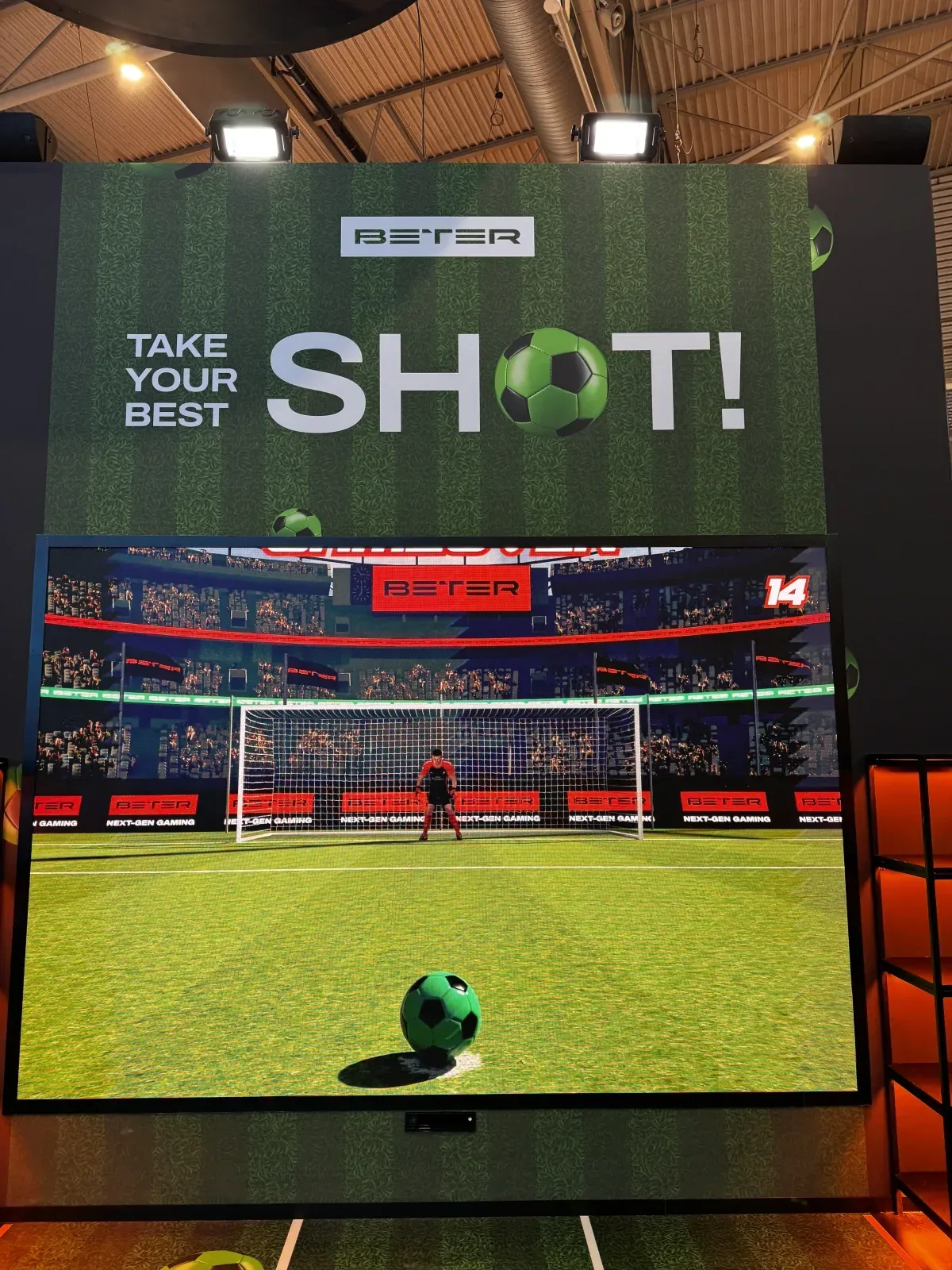
Tailor-made interactive experiences for events and exhibitions — built from scratch around your goals, not from templates.
- No off-the-shelf templates — every installation is built around your brief.
- Connect with any external systems: AV, web, mobile, scoring, prizes.
- Designed to generate leads, engagement and content.
What’s included
Built for
- Event producers and agencies
- Marketing teams responsible for brand activations
- Museums, interactive exhibitions, retail experiences
Design
- Concept and UX for interaction
- Content production (3D, motion graphics)
Software
- Games, web apps, control panels
Hardware
- LED, touchscreens, cameras, sensors integration
Services
- On-site support and maintenance
How we work
Brief
Define goals: engagement, leads, education
Concept
Prototyping and interaction design
Development
Design and build
Installation
On-site setup and calibration
Support
Live monitoring and analytics
Related case studies
See this service in real projects.
Related services
Explore services from the same category or used together in our projects.
Interactive experiences
Body tracking experiences
Installations that react to visitor movement, powered by depth cameras and tracking systems.
Technology rental
Full AV equipment rental
Sound, light, TVs, projectors, touchscreens, VR headsets, iPads, computers and stage constructions — all from one supplier.
Interactive experiences
Event apps & web experiences
Web pages, games and applications for events — for engagement, lead capture or brand storytelling.
Questions & answers
Ready to build something impressive?
Tell us about your project — we'll recommend the right mix of technology and creative services.
Planning resources
Applications and project planning
Touchscreen or tablet: which works better on an exhibition stand?
Use a large touchscreen for a shared, visible experience and tablets when several visitors or staff need independent sessions. The deciding factors are the task, application, visitor flow and available space.
How to plan a VR zone: space, staff and visitor flow
Plan a VR zone as a sequence of welcome, preparation, experience, exit and equipment reset. The headset's interaction area is only one part of the space and only one part of the time needed for each guest.
How to choose touchscreen size and position for an event
Choose a touchscreen by testing the visitor's complete task at the proposed height and angle. A larger image helps spectators, but controls must remain readable, reachable and comfortable for the person using it.
Standalone VR or a PC-based system for an event?
Choose the platform that runs your approved experience reliably, then compare the complete station. Standalone operation reduces dependence on a separate computer; PC VR adds a computer and connection path that must be prepared and supported.
How to design an interactive catalogue visitors can use
Organise an event catalogue around a visitor's decision: find a relevant product, understand the difference and choose a next step. A touchscreen should not require people to learn your internal product database.
How to brief a museum multimedia installation around the visitor journey
Give each multimedia point a distinct interpretive job, then connect the points through a route that also works when visitors skip a screen or a device is unavailable. The brief should cover the exhibition story, access, sound and daily operation together.
How to plan a temporary interactive zone in a shopping centre
Plan the zone as a short staffed activity with a clear arrival, waiting point, participation step and exit. The screen, app and daily routine should support that route without making the shopping-centre walkway part of the experience.
What determines the cost of an interactive kiosk?
Price the complete visitor experience: screen and mounting, application, content, integrations, testing and operation. Two kiosks with the same display can require very different work behind the interface.
Ready-made VR content or custom development for an event?
Use existing VR content when its actual experience fits the purpose and event use is authorised. Consider custom development when the message, product interaction or reuse plan cannot be achieved through a suitable existing experience.
Tracking and interactive activation guides
Plan visitor interactions, choose a control method and understand participation capacity and measurement before selecting sensors.